
















The strategic importance of copper for the global economy – Why this metal is key to industry

Since the beginning of the 20th century, the demand for copper has been constantly rising, and all signs indicate that this trend will not change for many years to come.
It is even estimated that the demand for this commodity will be twice as high in 2030 as it is today. The reason? The importance of copper is invaluable in the context of the energy transition, the development of modern technologies, and global digitalization. This versatile metal, known for thousands of years, has become one of the key raw materials for the green economy. Check out why and what the role of copper is in 21st-century industry!

The enormous significance of copper in the energy transition
The energy transition is one of the most important economic processes of the 21st century. The pursuit of climate neutrality requires the construction of infrastructure based on renewable energy sources (RES), which in turn increases the demand for copper. Its exceptional properties of conducting electricity and heat make it indispensable in the production of wind turbines, photovoltaic panels, power grids, and energy storage systems.
Copper and the development of RES
Copper helps reduce CO2 emissions, and many RES systems contain 6 times more of it than traditional systems. This is confirmed by the numbers—a single wind farm requires approximately 2 to 7 thousand tonnes of copper, and currently manufactured photovoltaic panels contain about 5.5 tonnes per 1 MW.
What is the reason for this? The obvious reason is the excellent properties of copper—especially those related to electrical and thermal conductivity. It is also corrosion-resistant, which is why it performs excellently in wires, transformers, and inverters that are responsible for the efficiency of the entire RES system.
The Role of copper in E-mobility and charging infrastructure
Another pillar of the energy transition is e-mobility. The role of copper in this sector is also undeniable. An average electric vehicle (EV) contains about 80 kg of copper, which is almost four times more than a conventional internal combustion engine vehicle. For electric buses, this figure increases up to 300–400 kg.
Distribution networks and charging infrastructure are also based on copper components, as they ensure reliable current flow and minimize energy losses. As a result, efficient electricity supply to households, industry, and EV charging stations is possible. In practice, the use of copper guarantees stability, safety, and a long lifespan for installations.

Copper as the foundation of modern industry and technology
The widespread use of copper is not limited to energy. This metal is also key to the electronics, IT, and automation industries. Thanks to its characteristics—conductivity, plasticity, and wear resistance—it is applied in nearly every sector of the economy.
Copper in electronics and the IT industry
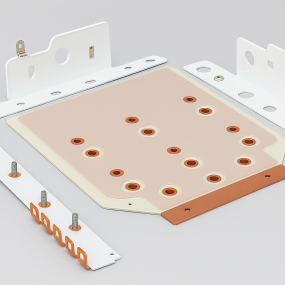
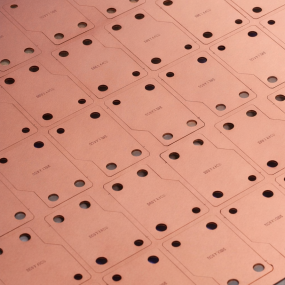
Modern technologies, including computers, smartphones, routers, and servers, contain hundreds of grams of copper in the form of wires, printed circuit boards (PCBs), and connectors. Without it, the operation of the Internet, data transmission, or the development of Artificial Intelligence (AI) would not be possible.
The huge importance of copper is confirmed by the numbers—as much as 14% of global copper consumption comes from the consumer electronics sector, including household appliances and consumer electronics.
Copper – the catalyst for the AI revolution
The dynamic development of Artificial Intelligence (AI), especially in large language models and Big Data processing, has elevated the demand for copper to a strategic level. Energy-intensive computing operations and algorithm training require the construction of advanced Data Centers with extremely high power density. This is where copper becomes indispensable: its unrivaled electrical conductivity is crucial for busbars, cabling, and connectors that must deliver stable power to thousands of AI servers.
Furthermore, copper's ability to efficiently dissipate heat is critical in cooling systems (often based on copper components), as AI servers generate even two- to three-times more heat than traditional units. As a result, market analysts predict that the demand for copper from the AI sector alone could add hundreds of thousands of tonnes to the global annual demand, making this metal a critical raw material for the digital future.

The use of copper in construction and industrial automation
In construction, copper parts, due to their exceptional durability, corrosion resistance, and safety for health, are used in electrical, heating, and sanitary installations. In industrial automation, copper elements are used to create sensors, motors, and control systems that require reliability in harsh operating conditions.
Material innovations – new copper applications in future technologies
The development of new technologies, such as the Internet of Things (IoT), robotics, photonics, and hydrogen energy, means that the applications of copper continue to expand. Scientists are also developing copper nanomaterials that can increase the efficiency of batteries and electronic components.

The future of the copper market – challenges and prospects
The broad application of copper in daily life and the growing demand for it pose serious challenges for the world. The fundamental one is the need to increase copper mining to keep pace with the rising demand associated with the energy transition, the development of e-mobility, and the modernization of electrical infrastructure. Otherwise, the market may experience raw material shortages, which will affect prices, the availability of AI or RES technologies, and the pace of creation of new copper-based technologies.
Copper recycling is becoming an increasingly effective solution. It is estimated that recycled raw material already meets over 30% of global demand. The prospects are thus promising, and the unique characteristics of copper will certainly enable its continued use in energy, industry, and modern technologies.
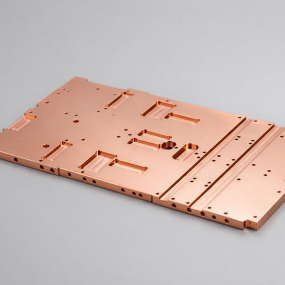
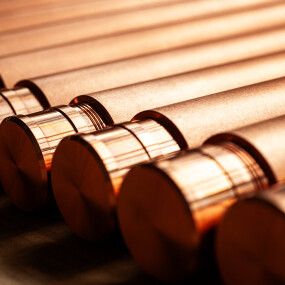
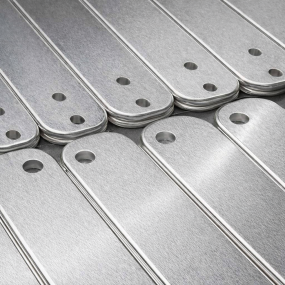
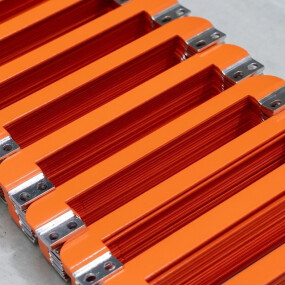
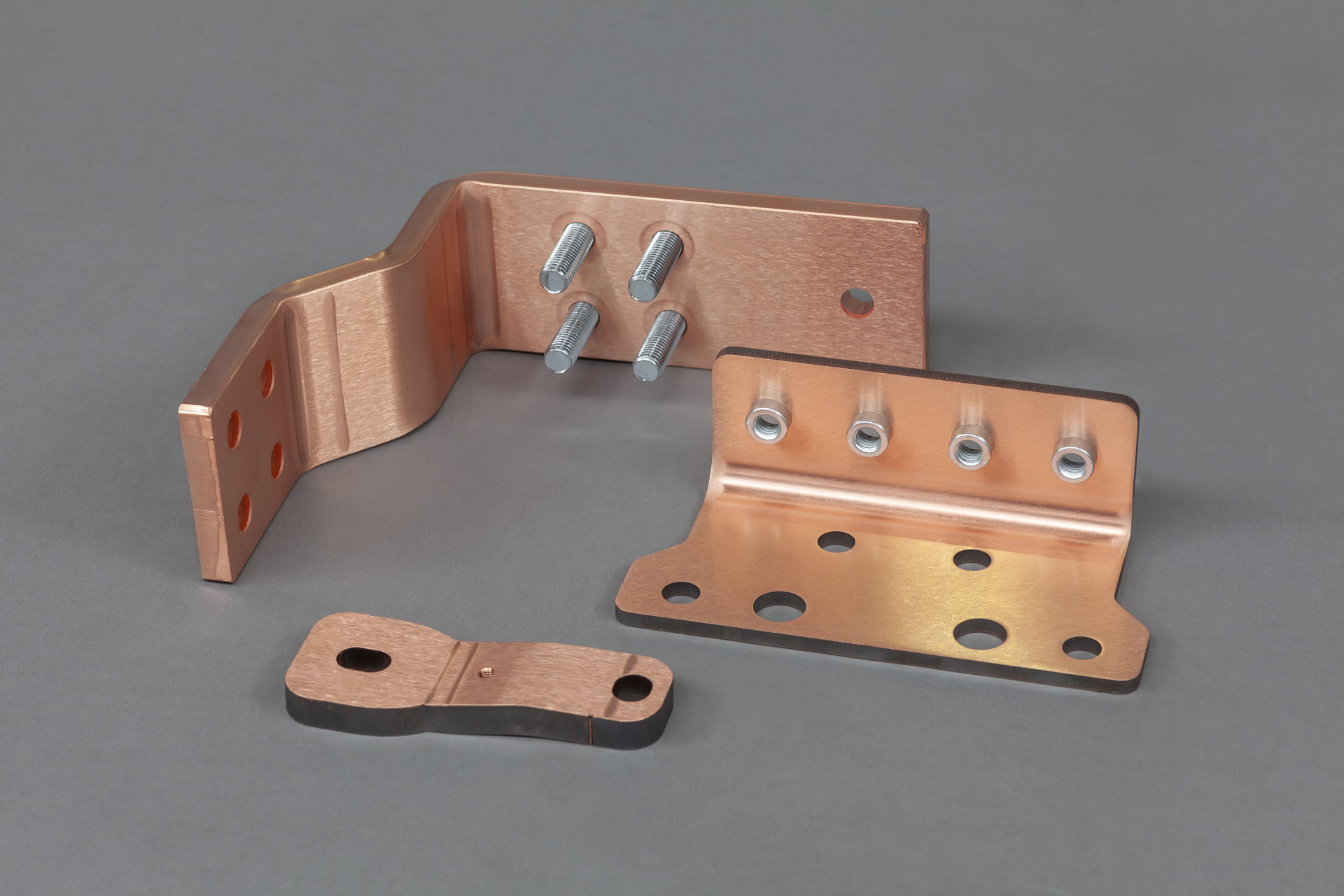
At Electris, we are well aware of the enormous importance of copper in the context of global economic development. That is why we cooperate with companies operating in various industries, offering them the highest quality copper and aluminum components, including busbars, connectors, pipes, and rods, which are a key element of electrical installations, power supply systems, and switchgear. Our offer also includes galvanization services, lacquer coating application, and the assembly of cabinets and switchgear.
If you are interested in establishing cooperation with Electris—email us at sales@electris.pl
FAQ – The strategic importance of copper for the global economy



We would be happy to
discuss your needs.
Write to us so that we can prepare
a dedicated proposal for you. Ask for a quote.


