












Copper as the foundation of sustainable construction – A new standard in the building industry

The construction sector has undergone a profound transformation. Just a decade ago, the prevailing mindset was “build fast, cheap, and in bulk.”
Today, architects, contractors, and investors are asking a different set of questions—ones focused on sustainability. How long will a building remain operational? What carbon footprint will it leave behind? Can it be easily modernized without harming the environment? Once seen as niche or idealistic, sustainable construction is now becoming the industry standard. And copper is proving to be an essential element of that transition. But why?

Sustainable construction: responsibility, efficiency, and future-proof design
Construction is no longer merely the act of erecting structures—it’s now a critical front in the fight for a sustainable future. The industry’s shift toward sustainable development encompasses not only minimizing environmental impact but also maximizing long-term social and economic benefits. This means designing and building structures that are durable, energy-efficient, healthy for occupants, and adaptable—ready to be modernized, dismantled, or recycled with minimal ecological impact.
These changes are driven by real-world demands—from investors aligning with ESG strategies, to occupants seeking comfort, safety, and lower operating costs. More broadly, the shift is a response to global challenges such as climate change, resource scarcity, and the EU’s legislative framework under the European Green Deal.

Copper in the circular economy – The ideal material for green building
At the heart of this transformation are materials that support a circular economy model. Copper is one of the most effective and sustainable among them—an essential element of green construction. Is copper eco friendly? Copper can be recycled endlessly without any loss of performance or quality. Once extracted, it can serve in various applications for centuries.
Here are a few statistics that highlight copper’s vital role in sustainable architecture:
- Over 30% of annual copper demand is met through recycled material.
- Nearly two-thirds of the 550 million tons of copper produced since 1900 is still in active use today.
- Copper recycling consumes up to 85% less energy than primary production.
Combined with its exceptional durability—copper components can last over 100 years—this makes copper perfectly suited for buildings designed with longevity, low carbon footprint, and resource efficiency in mind.

Energy efficiency and health – Copper’s value inside the building
Copper is not just durable—it’s also highly functional in systems critical to occupant comfort, energy efficiency, and safety.
- As an excellent conductor of heat and electricity, copper significantly enhances building energy performance.
- Its applications span HVAC systems, underfloor heating, heat pumps, heat recovery ventilators, solar power systems, and battery storage units.
- Copper’s natural antimicrobial properties contribute to better indoor air and water quality by reducing the spread of harmful microorganisms in plumbing and surface systems.
The Importance of Copper in Modern Construction
Copper plays a strategic role in shaping the future of sustainable and energy-efficient construction. Its unique combination of durability, recyclability, and performance makes it one of the few materials that fully support the principles of the circular economy. Copper enables the creation of buildings that are not only long-lasting but also environmentally responsible, reducing both operational costs and carbon footprint. As cities evolve into smart, electrified ecosystems, copper provides the infrastructure backbone for power distribution, renewable energy systems, and intelligent building management technologies.
Key Applications of Copper in Buildings
In modern architecture, copper is used far beyond decorative facades and roofing. It is integral to the core technical systems of a building — including electrical installations, heating and cooling systems, solar panels, and energy storage units. Its thermal and electrical conductivity ensures efficient energy use and stable power transmission, while copper pipes and fittings guarantee safe, hygienic water distribution. In green buildings, copper is also present in ventilation systems, lightning protection, and control devices, supporting both functionality and sustainability.
Advantages of Using Copper in Construction
The benefits of copper extend across every stage of a building’s life cycle. It offers unmatched longevity, often exceeding 100 years without significant degradation, and requires minimal maintenance. Copper components naturally resist corrosion and microbial growth, contributing to healthier and safer living environments. From an investment perspective, copper’s durability and recyclability increase a building’s long-term value, reducing lifecycle costs. Its aesthetic versatility — with natural patina and timeless appeal — further enhances architectural design.
Innovations and New Technologies in Copper Applications
Ongoing research and technological advancements continue to expand copper’s potential in construction. New alloy compositions and coating technologies improve corrosion resistance and reduce surface oxidation, extending service life even in harsh environments. Smart copper-based systems now support renewable energy integration, EV charging infrastructure, and intelligent monitoring of energy performance. Advances in additive manufacturing and precision machining also allow for customized copper components optimized for efficiency, weight, and cost — reinforcing copper’s place in the future of smart, sustainable building design.
Maintenance, and Long-Term Value
Copper’s exceptional durability minimizes repair and replacement expenses, while its recyclability preserves material value even after decades of use. Over the building’s lifespan, the use of copper contributes to lower energy consumption, higher operational efficiency, and reduced maintenance — ensuring both environmental and financial returns. In essence, copper is not only an investment in performance but also in the sustainable future of construction.
Electris – Copper components for constructions and power industry
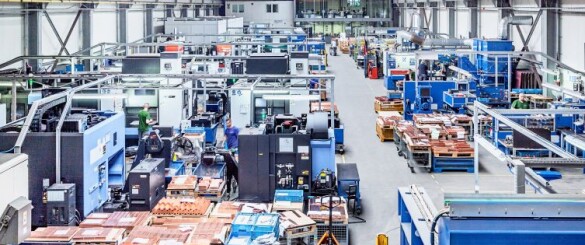
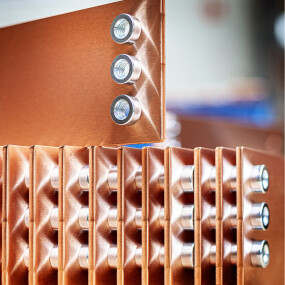
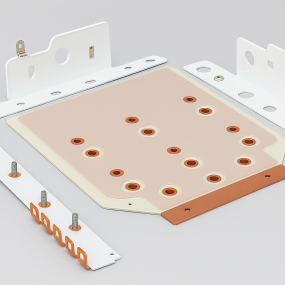
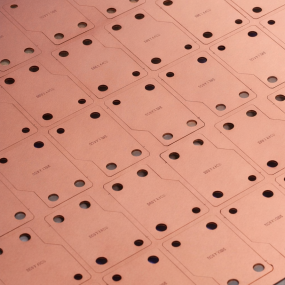
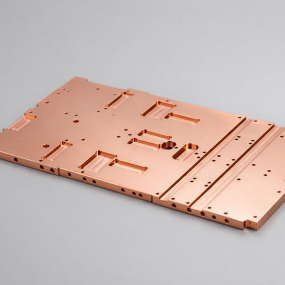
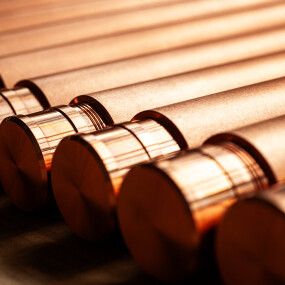
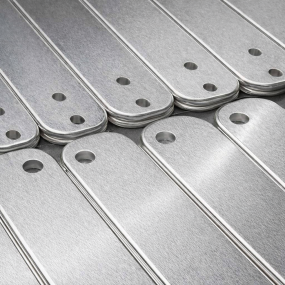
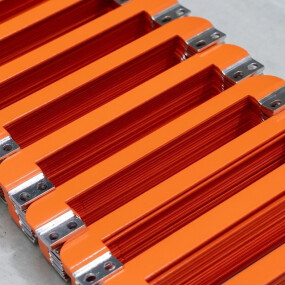
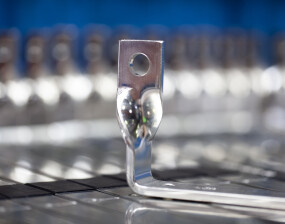
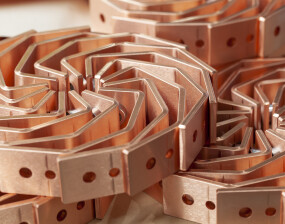
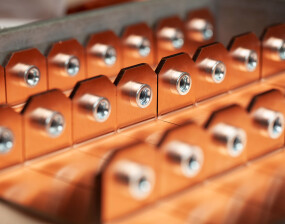
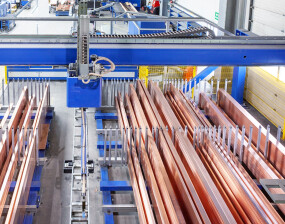
At Electris, we specialize in the manufacture of high-precision copper components, with a strong focus on the electrical power sector. Our copper busbars, conductors, connectors, rods, pipes, and flat bars are integral to electrical installations, power distribution systems, and energy infrastructure—ensuring reliability and high-performance transmission.
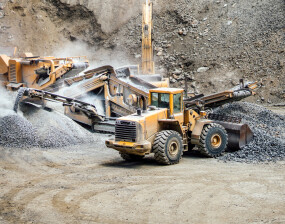
Thanks to copper’s unique versatility, our solutions are also increasingly utilized in modern construction projects, including in electrified building machinery and infrastructure. From passive buildings to electric-powered site equipment, copper’s role continues to expand.
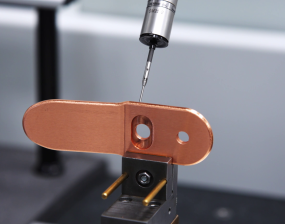
With cutting-edge manufacturing facilities, deep engineering know-how, and strict quality control, Electris delivers copper components that meet the most demanding technical standards—in critical energy applications and beyond.
Interested in working with us? Let’s talk.
Contact us via the form or email us at sales@electris.pl
FAQ – Copper in Sustainable Construction
We would be happy to
discuss your needs.
Write to us so that we can prepare
a dedicated proposal for you. Ask for a quote.


