





















Nano-copper and nano-aluminum: are they the future of industry?
The term "nano" refers to one-billionth of a meter (10-9m). In the context of engineering materials, it defines structures so small that their physical and chemical properties diverge significantly from traditional macroscopic forms.
Nanomaterials often exhibit enhanced reactivity, a higher specific surface area, and unique functionalities that unlock new possibilities for industrial applications and future technologies. Let’s explore what nano-copper and nano-aluminum are, their applications, and their potential impact on our future.

Nano-copper and nano-aluminum - overview
The role of copper and aluminum in today’s world is vital. As we have frequently discussed:
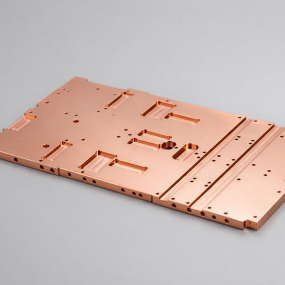
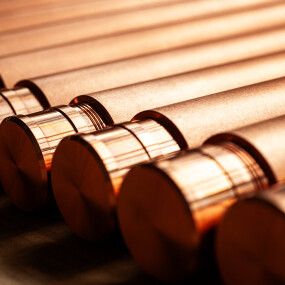
- Copper is a critical conductive metal and biologically active element, essential in electronics and electrical engineering.
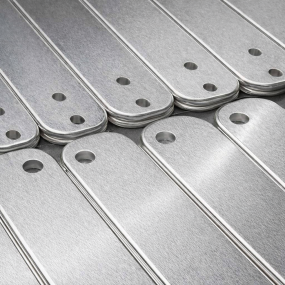
- Aluminum is a lightweight, durable structural material with a vast range of industrial uses.
When these metals adopt a nanometric structure, they begin to exhibit characteristics vastly different from their bulk forms. The properties of copper and aluminum in "nano" versions evolve in innovative directions, primarily due to the massive increase in the surface-area-to-volume ratio. This shift allows for the design of next-generation components with precise functions that are unattainable through traditional metallurgy.
What is nano copper?
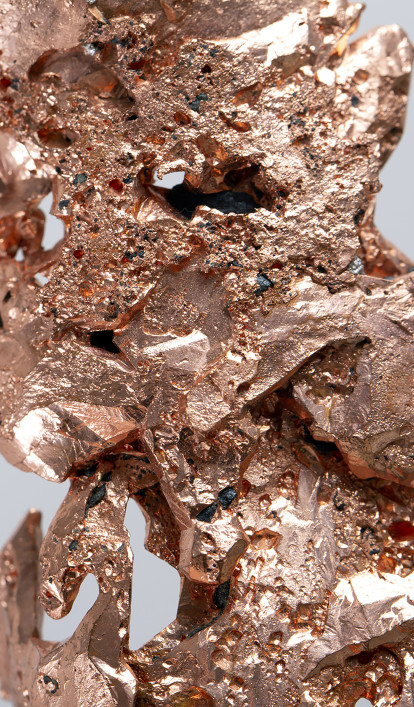
Nano-copper consists of copper particles ranging from 1 to 100 nm. This scale grants metallic materials distinct physicochemical properties. Metallic nanoparticles feature a significantly larger specific surface area, which enhances chemical activity, conductivity, and surface reactions.
Nanoscale copper often demonstrates increased surface activity and efficiency in various fields, including antibacterial, catalytic, and conductive applications. For example, research shows that nano-copper can inhibit bacterial growth much more effectively than traditional copper due to its higher reactivity and contact area with pathogens.
What is nano aluminum?
Nano-aluminum refers to aluminum particles below 100 nm. Much like nano-copper, these nanoparticles exhibit unique optical, mechanical, and thermal properties. Depending on the production process, they can modify thermal conductivity, mechanical strength, or optical interaction.
In practice, nano-aluminum is increasingly used to optimize material properties—for instance, in high-resistance coatings or components requiring enhanced thermal management.

Applications of nano-copper
Nano-copper and its specialized form, colloidal copper, are utilized across multiple sectors:
- Electronics & Industry: Conductive inks, microsensors, and high-tech components.
- Protective Coatings: Biostatic paints, varnishes, and surfaces for disinfection.
- Medicine & Cosmetology: Antibacterial dressings, textiles, and specialized skincare.
- Agriculture: Plant protection products against pathogens.
Applications of nano-aluminum
The properties of nano-aluminum extend far beyond specialized paints. These nanoparticles play a crucial role in:
- Energy & Storage: Potential use in fuel cells and supercapacitors due to high specific surface area.
- Nanophotonics & Optics: Unique optical properties make them ideal for sensing and detection technologies.
- Construction Materials & Coatings: Used in composites to improve corrosion resistance, adhesion, and thermal properties.

The potential of nanomaterials
What do these advancements mean for the future? They signal a major shift toward advanced material science. Enhanced surface reactivity and specific physicochemical functions make them key components in medicine, electronics, energy, and environmental protection. While these applications lead to more efficient processes, they also require ongoing research into safety and environmental impact.
Electris – experts in advanced copper and aluminum component manufacturing
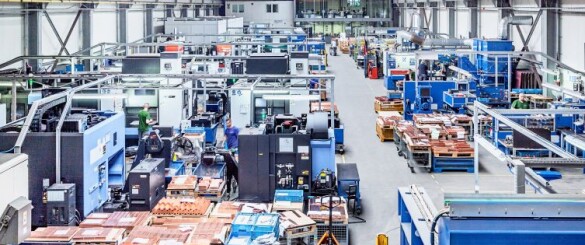
The evolution of copper and aluminum toward nanometric structures sets new industrial standards, offering properties unreachable by bulk materials. At Electris, we fully understand this dynamic. As specialists in the precision processing of non-ferrous metals, we translate advanced material knowledge into reliable components for the most demanding global sectors.
Electris is your specialized production partner. We provide dedicated solutions that form the foundation of modern power supply and distribution systems. Our portfolio includes:
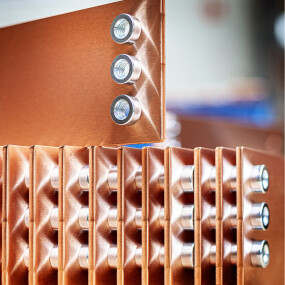
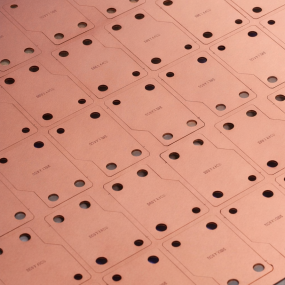
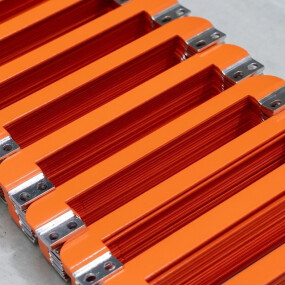
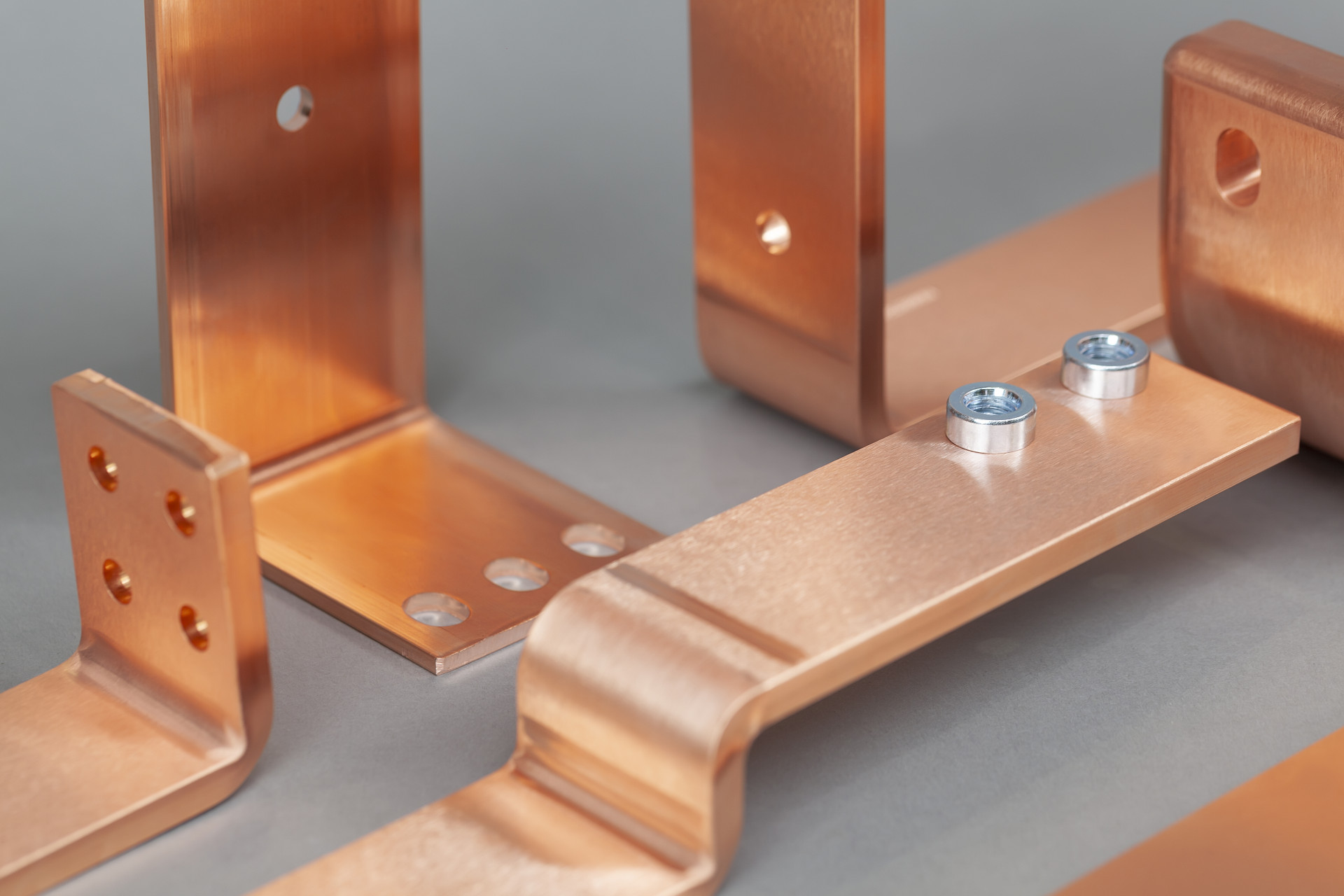
- Custom Busbars and Power Shunts: Manufactured precisely to customer specifications.
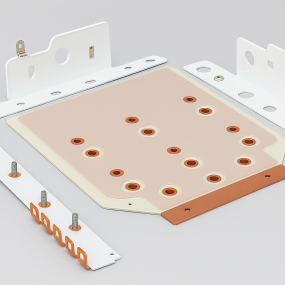
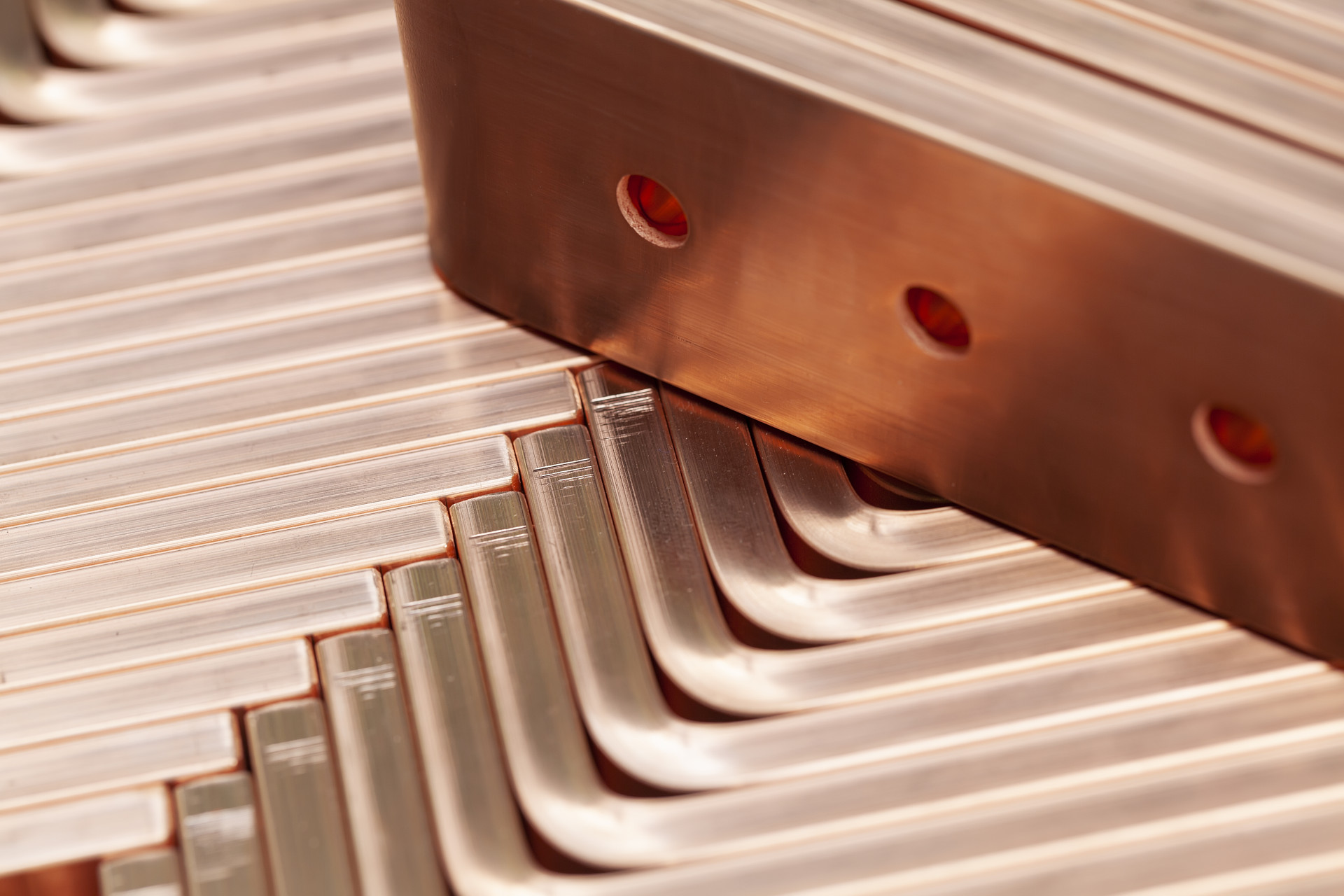
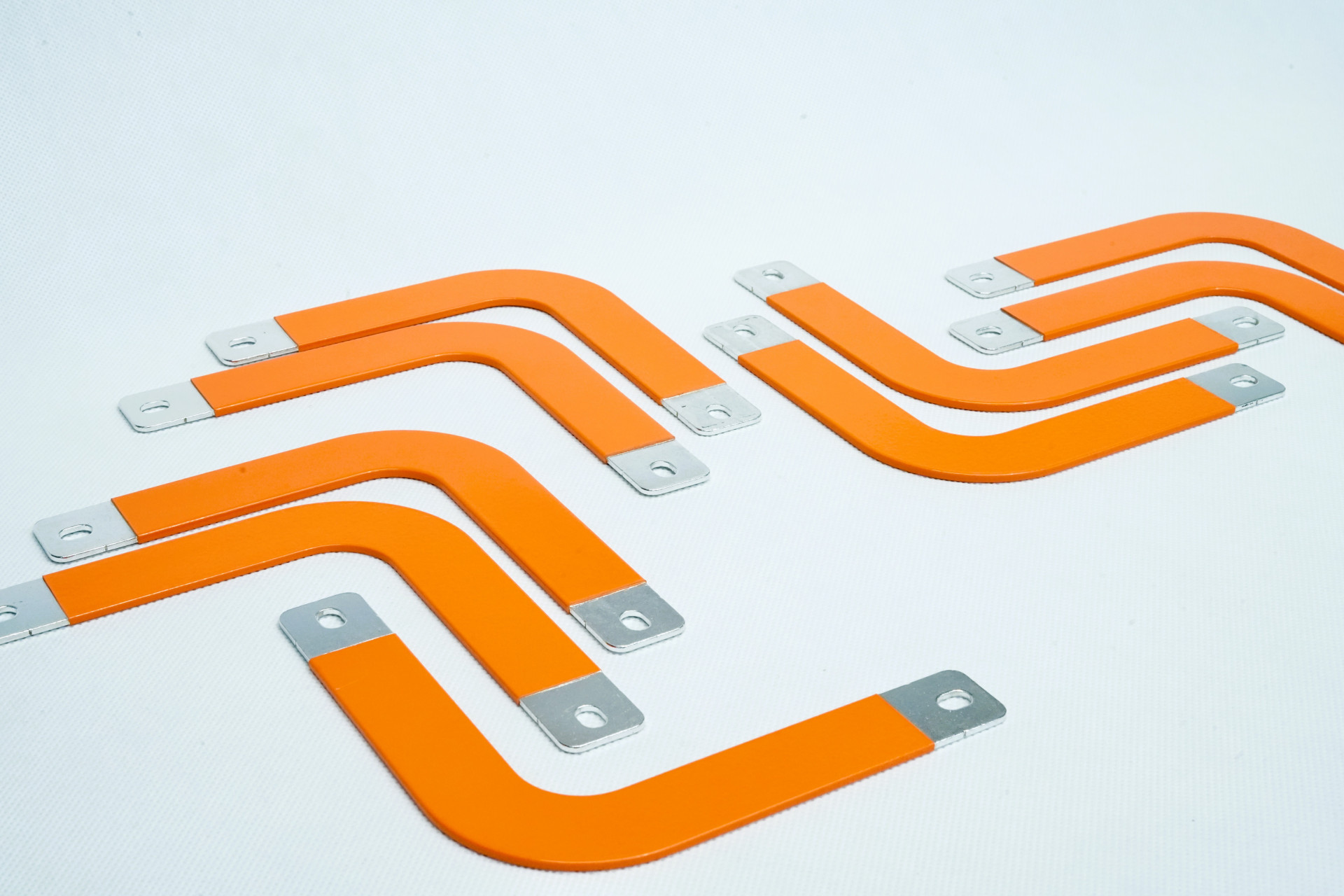
- Laminated and Insulated Busbars: Ensuring safety and space optimization in high-density installations.
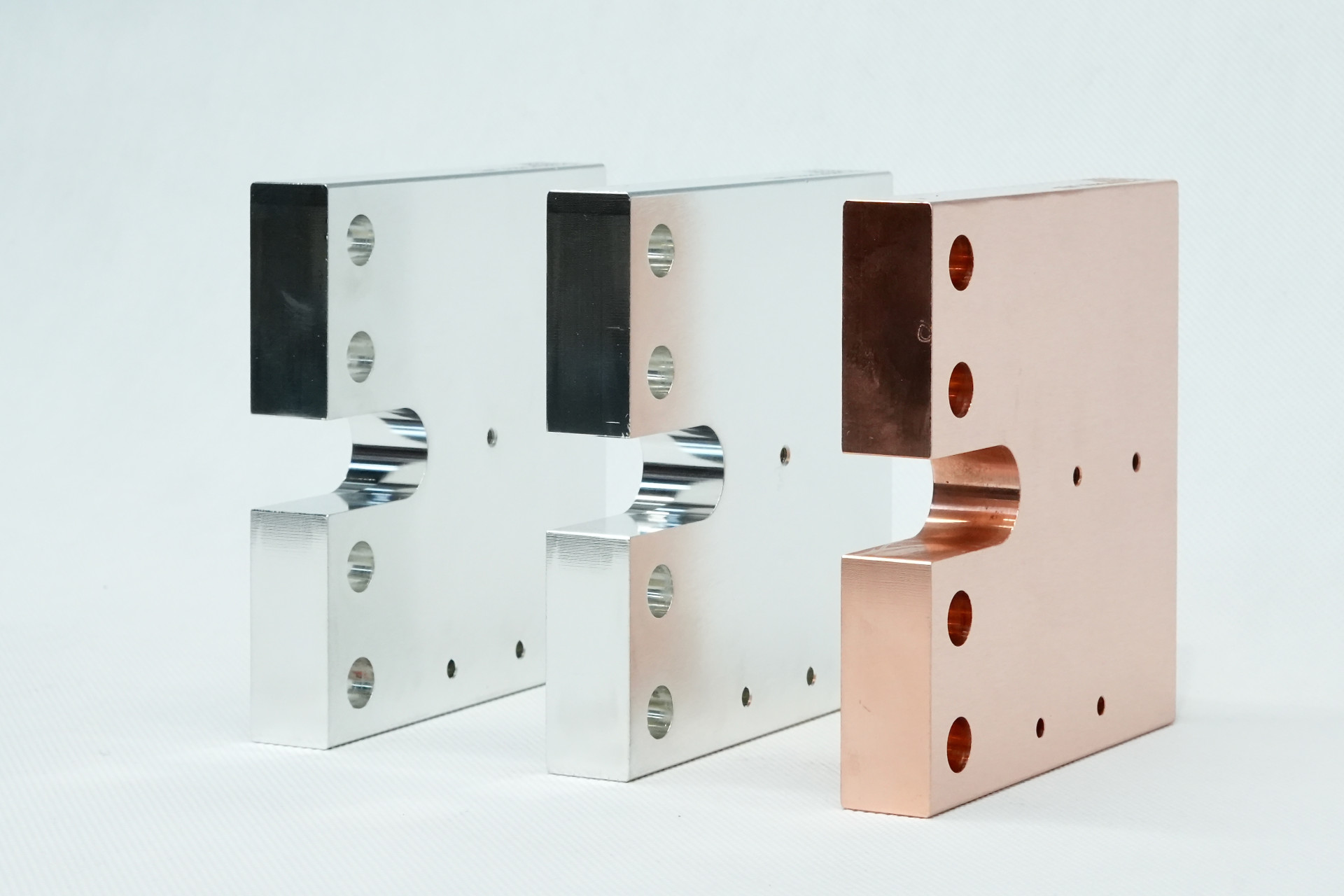
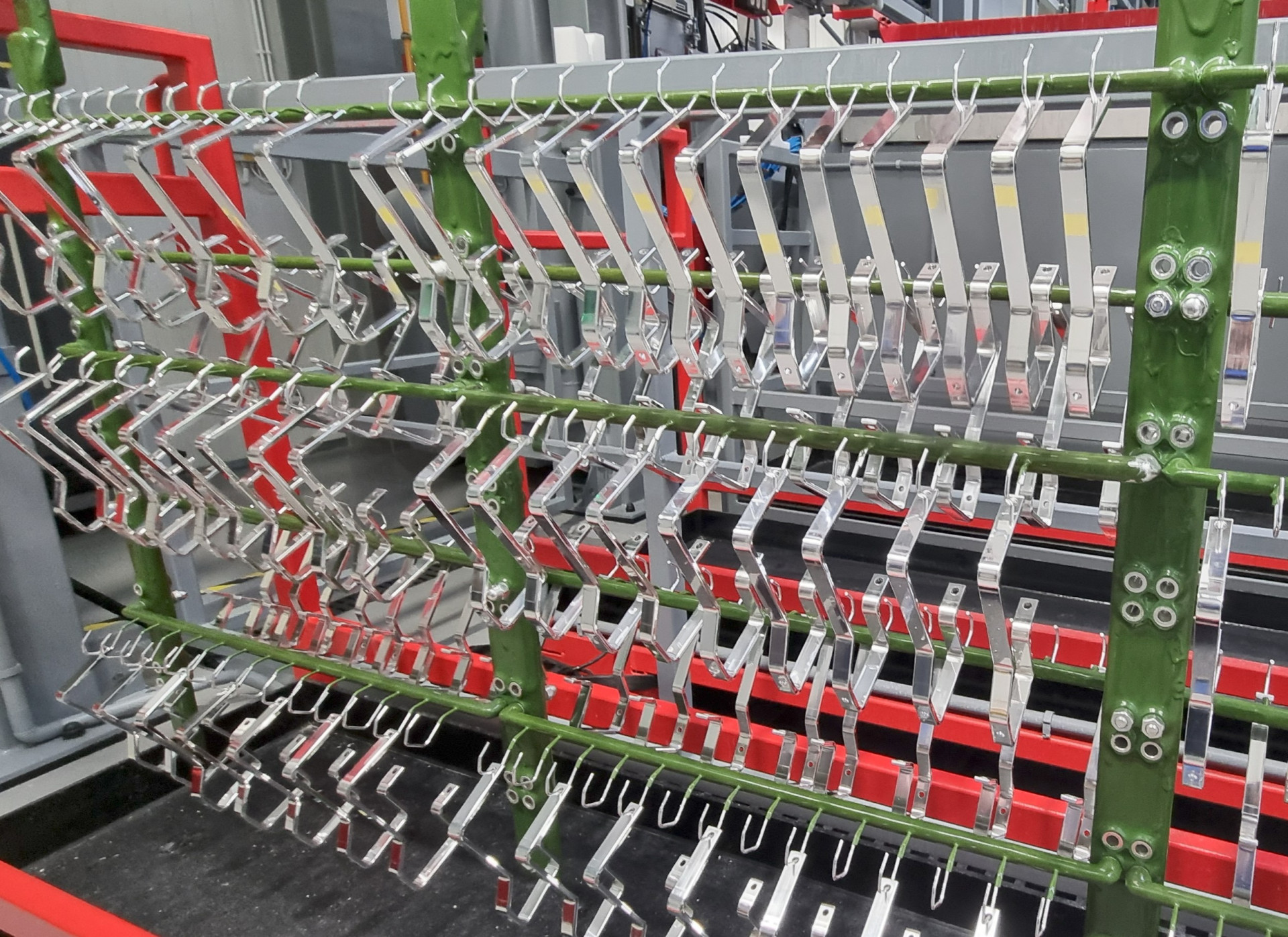
- Specialized Coatings: We offer professional powder coating and electroplating services (silver, tin, and nickel plating) to enhance corrosion resistance and contact conductivity.
- Prefabrication and Assembly: We provide comprehensive assembly of control cabinets and switchgear (LV and MV) based on client guidelines in the Build-to-Print model.
In the context of power distribution, utilizing nano-aluminum in modern composites allows for significant optimization of thermal conductivity. Combined with Electris's precision assembly, this ensures higher energy efficiency and superior heat dissipation in critical busbar systems.
At Electris, we prioritize quality backed by years of experience. If you are looking for a partner to manufacture components according to your exact requirements, contact us at: sales@electris.pl
Sources:
FAQ – Nanocopper and Nanoaluminum

We would be happy to
discuss your needs.
Write to us so that we can prepare
a dedicated proposal for you. Ask for a quote.


