









The future of control cabinets in wind turbines: innovations shaping the renewable energy market
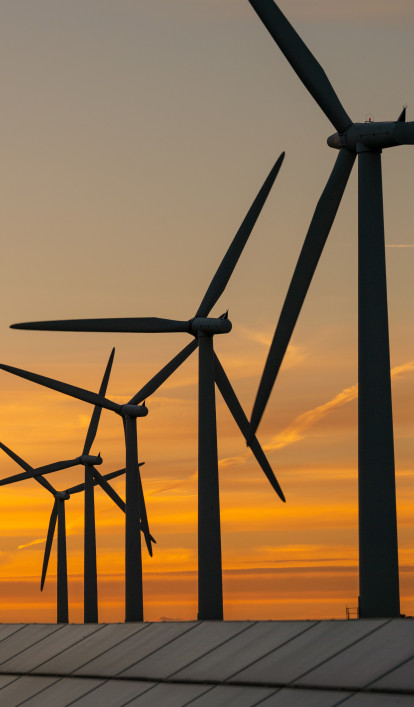
The energy transition is progressing, with wind energy playing an increasingly critical role. Technological advancements allow for building more efficient turbines, expanding wind farm capacities, and generating electricity even offshore.
However, larger installations demand higher standards of automation, safety, and reliability. These challenges are met by control cabinets and switchgear enclosures responsible for system management and component coordination. What innovations will shape their future?
Wind turbines in modern energy: growing importance and new technological challenges
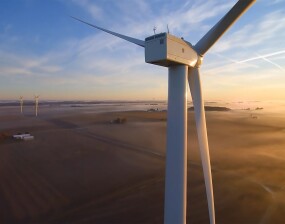
Wind turbines convert the kinetic energy of wind into electricity, powering an increasing number of households, industrial plants, and public facilities. The industry has been expanding rapidly for years. According to the latest Global Wind Energy Council data, a record 165 GW of new wind capacity was connected to the grid worldwide in 2025, representing a 40% year-over-year increase. Global cumulative installed capacity reached 1,299 GW, with installations spanning 57 countries.
The sheer scale of modern structures is equally impressive. The world's tallest wind turbine, the GICON-Höhenwindturm in Schipkau, Brandenburg (Eastern Germany, approximately 70 km from the Polish border), reaches a height of 365 meters—an absolute global record.
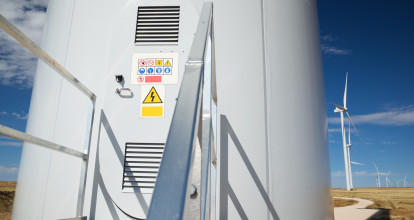
Wind energy is thus a vital component of the global power grid, and its role continues to expand. Consequently, technological evolution brings new engineering challenges: turbines must remain highly efficient, reliable, and resilient against extreme environmental conditions. Achieving this requires precise operational control, rapid fault detection, and seamless grid integration.
Intelligent control systems: what role do control cabinets play in wind turbines?
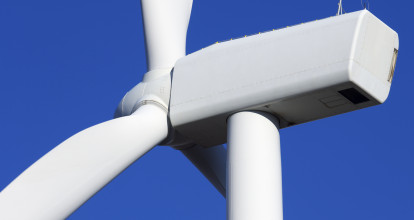
Modern control cabinets serve as the primary management hub for wind turbines to address these operational demands. They house programmable logic controllers (PLCs), communication modules, protective devices, and other automation equipment responsible for monitoring and coordinating sub-assemblies. They enable precise management of rotor speed, blade pitch positioning, and generator operation.
A modern wind turbine controller is responsible for:
- Pitch control – regulating the blade pitch angle to optimize performance based on wind conditions.
- Yaw control – aligning the nacelle directly into the wind direction.
- Generator control – monitoring operational parameters and managing power converters.
- Safety management – detecting anomalies and initiating emergency procedures.
- Communication – transmitting data to higher-level SCADA systems for farm-wide monitoring.
The future lies primarily in deeper device integration, faster data transmission, and advanced remote management.
While control cabinets serve as the turbine's "brain," switchgear enclosures represent its vital circulatory and power system. They house the power infrastructure responsible for safe transmission, transformation, and distribution of electricity generated by the turbine, while also supplying auxiliary subsystems.
Modern wind energy—especially in massive offshore installations—places stringent demands on switchgear enclosures: they must exhibit exceptional resistance to salt-water corrosion, vibration, thermal extremes, and humidity to guarantee decades of uninterrupted operation.
Switchgear enclosures concentrate critical power circuits responsible for:
- Powering actuators – supplying electric current to motors for the yaw system and pitch control mechanism.
- Electrical protection – safeguarding power circuits against short circuits, overloads, and lightning strikes.
- Auxiliary power distribution – supplying energy to cooling systems, heaters, internal lighting, and hydraulic pumps.
- Power connection monitoring – performing preventive thermal monitoring of contacts and busbars to mitigate failure risks.
Combining precision automation from controllers with robust energy distribution via switchgear ensures continuous turbine operation, even under extreme weather conditions.
AI and predictive diagnostics: control enclosures enhancing turbine reliability
Modern industrial automation in the renewable sector extends beyond real-time control to include proactive fault prediction. This is achieved through condition monitoring systems and predictive maintenance strategies.
How does it work? Specialized sensors continuously monitor temperature, vibration, rotational speed, and electrical parameters. SCADA systems and artificial intelligence algorithms then analyze the telemetry to detect subtle anomalies. This enables operators to identify component wear before catastrophic failure occurs.
Another major industry trend is the adoption of digital twins—virtual models replicating physical devices in real time. They combine operational sensor data with physics-based simulations, simplifying load assessment and service planning.
Wind turbine controller reliability: critical for operational continuity
Finally, the inherent reliability of the controllers and cabinets themselves directly governs the entire wind turbine's availability. Enclosures must withstand humidity, dust, ambient temperature fluctuations, and structural vibrations. Offshore installations face additional hazards from aggressive marine atmospheres.
Designing robust control and switchgear cabinets requires high-grade enclosures, efficient thermal management, and specialized anti-corrosion protection. This lowers failure rates and extends the operational lifespan of internal components.
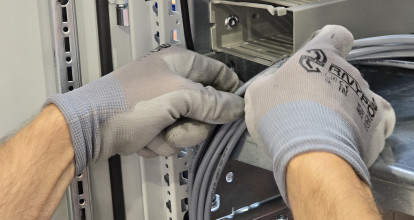
Electris: control cabinet manufacturing for the energy sector
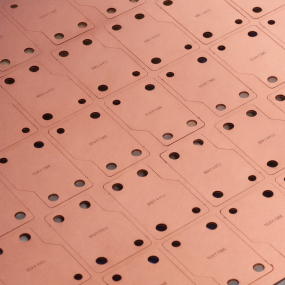
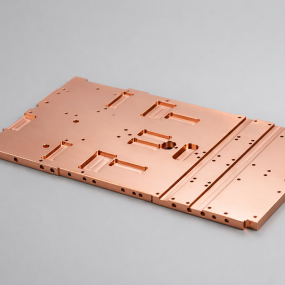
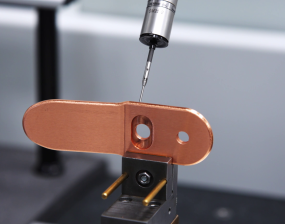
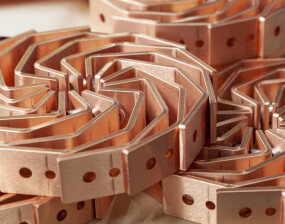
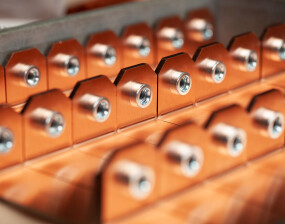
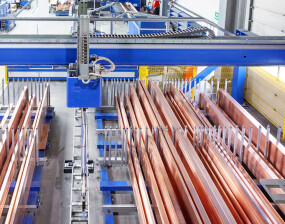
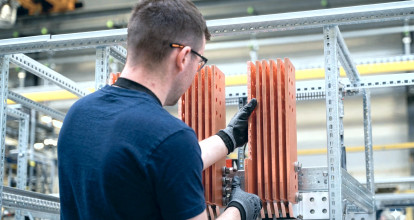
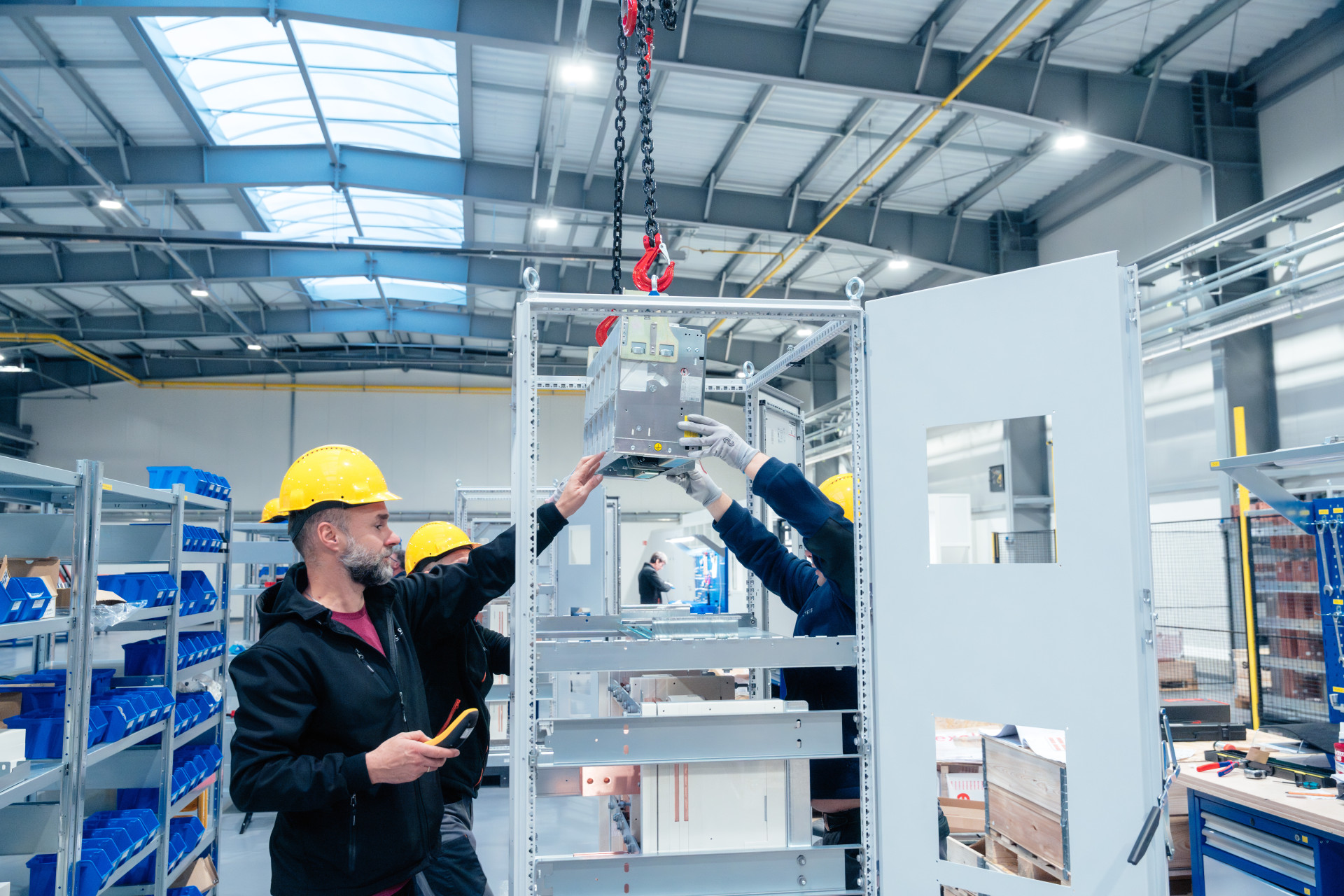
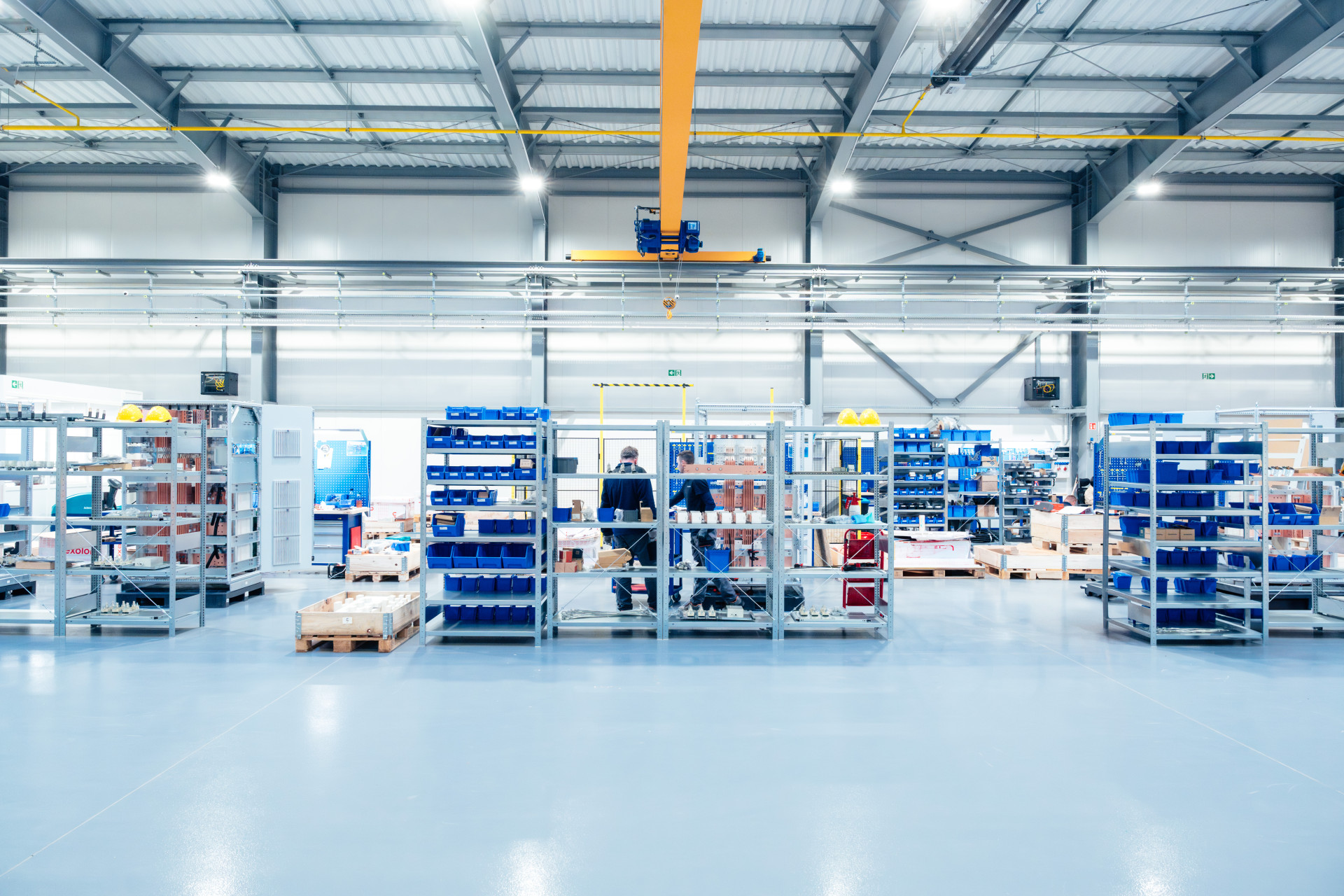
At Electris, we specialize in the custom manufacturing and assembly of low-voltage (LV) and medium-voltage (MV) control cabinets and switchgears, providing dedicated solutions for the renewable energy and wind power sectors. With over 20 years of expertise in copper component processing, fully equipped manufacturing facilities, and an in-house engineering team, we deliver both prototype builds and series production.
As an OEM control cabinet manufacturer, we provide end-to-end services—from technical documentation analysis and design optimization to assembly and Factory Acceptance Testing (FAT). This allows us to supply tailored solutions engineered for demanding operating environments, effectively supporting the global expansion of renewable energy.
Have questions about custom cabinet assembly? Contact our engineering team today: sales@electris.pl
Sources:
- https://www.gwec.net/news/global-wind-installations-rise-record-40-as-industry-charts-way-out-of-energy-crisis
- https://wes.copernicus.org/articles/11/2103/2026/
- https://www.emerson.com/en/automation-systems/distributed-control-systems-dcs/ovation-distributed-control-system/wind-turbine-controls/wind-turbine-controller
- https://journals.sagepub.com/doi/10.1177/0309524X221124031
FAQ – The future of control cabinets in wind turbines
We would be happy to
discuss your needs.
Write to us so that we can prepare
a dedicated proposal for you. Ask for a quote.