



















Copper in luxury accessories and design: a metal of more than just functionality
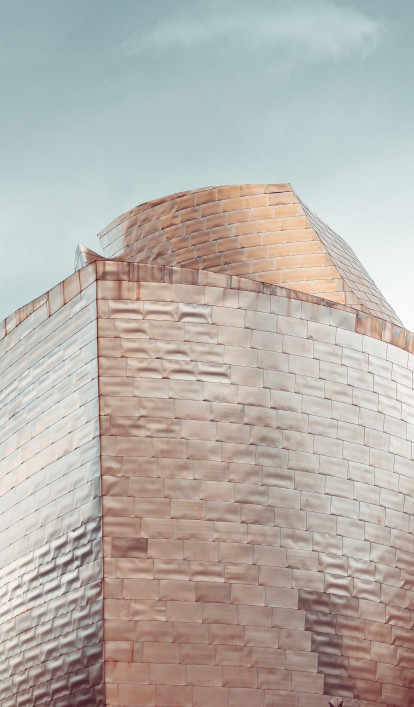
Although copper is primarily associated with industry today, it has been inspiring artisans and designers for thousands of years. Its distinctive color, ease of processing, and exceptional properties make it a natural fit for the world of luxury accessories and interior architecture.
Discover what makes it a premium material and explore the everyday uses of copper!
Patina, luster, and noble finishes: how copper evolves
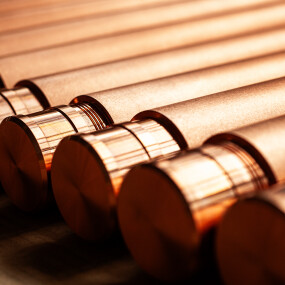
One of copper's most characteristic features is that its appearance changes over time. A freshly polished surface features a warm, reddish color and a distinct luster. Under the influence of oxygen, moisture, and other environmental factors, it gradually oxidizes. Darker discoloration may appear on its surface, and under specific conditions, a greenish or blue-green patina as well. This is a natural reaction between copper and its environment, which can help restrict further metal corrosion. Designers consciously embrace these changes, treating them as a way to give objects a unique, individual character.
Furthermore, copper can be polished, brushed, varnished, or coated with appropriate protective layers to preserve its original appearance. The choice of finish depends on the intended visual effect—ranging from an elegant shine to a raw, aged surface. This offers almost limitless possibilities for the use of copper.
From jewelry to interior design: key applications of copper
The use of copper in design stems primarily from its versatility. It can be used to create both small details and larger furnishing elements that serve as the dominant accent in a room arrangement. Where do we most frequently encounter this metal?
- Copper jewelry – striking bracelets, rings, necklaces, and earrings. Copper jewelry stands out for its warm tone, which pairs wonderfully with natural stones, wood, or leather. It is also used to craft buckles, decorative clasps, and other copper accessories.
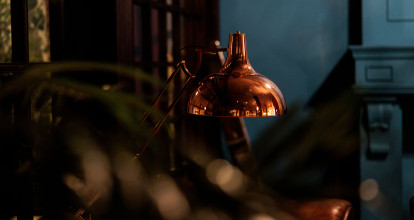
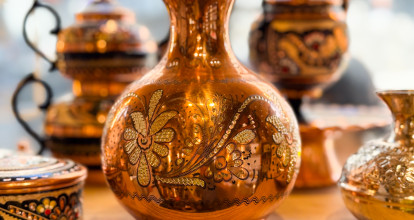
- Lighting and decorations – copper lamps, candle holders, vases, and mirror frames introduce a bold yet elegant touch to interiors. They look especially striking when paired with dark colors, glass, and natural materials.
- Copper in home and apartment interiors – copper in the kitchen appears as cookware, faucets, handles, and decorative details. Meanwhile, copper in the bathroom is used in plumbing fixtures, mirror frames, and moisture-resistant accessories. Copper living room accessories can give a living space a cohesive, sophisticated character.
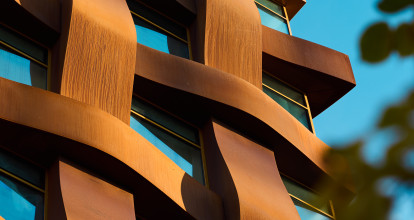
- Architecture and utility fixtures – copper finds applications in cladding, facade details, roofing, door handles, and pulls. Over time, these elements change color, achieving an interesting visual effect without the need for additional decoration.
What to combine copper with to highlight its qualities?
It pairs exceptionally well with wood, marble, architectural concrete, and glass. When contrasted with bright surfaces, it creates a subtle accent; when combined with dark colors, it becomes a powerful decorative statement.
Electris: premium copper components
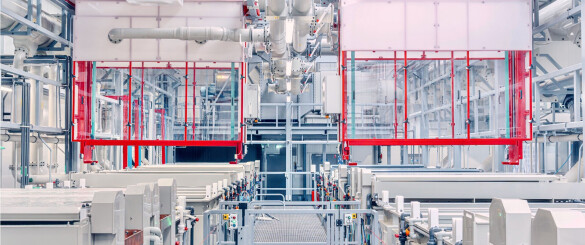
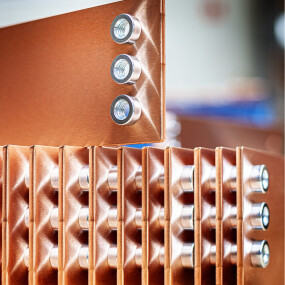
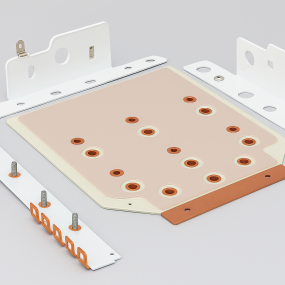
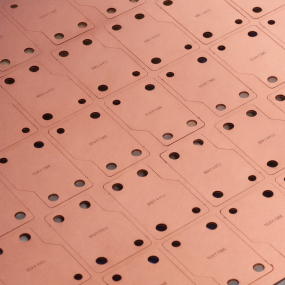
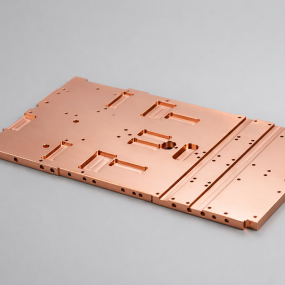
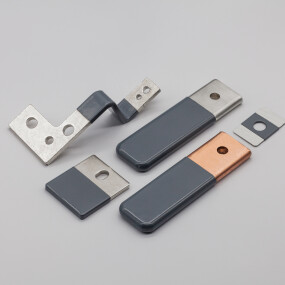
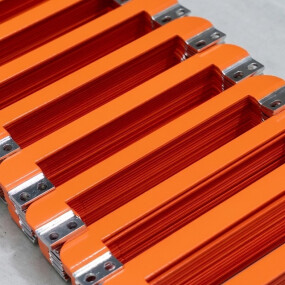
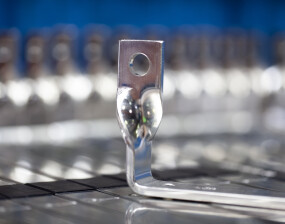
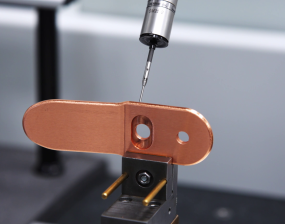
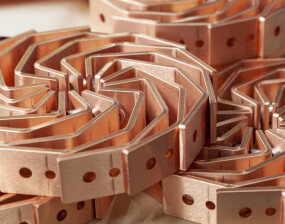
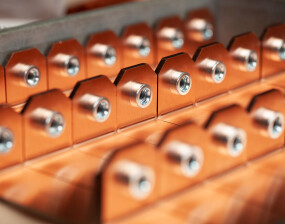
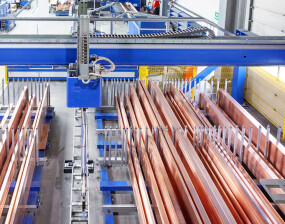
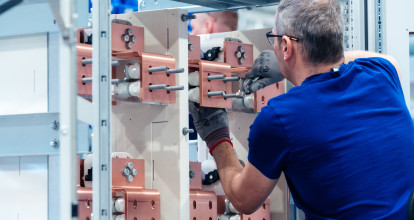
Of course, we must not forget copper’s second face—its crucial role in modern industry. At Electris, metal processing is our core specialization. Using copper, we manufacture busbars, busbar systems, connectors, earthing strips, flat bars, and battery components, among others. Copper components are also integral parts of advanced switchboards and control cabinets assembled right in our factory.
Thanks to precise machining and the option to apply additional galvanic, insulating, or powder-coating finishes, we deliver comprehensive solutions for power equipment manufacturers.
Have questions? Get in touch with us!
FAQ – Copper in luxury accessories and design
We would be happy to
discuss your needs.
Write to us so that we can prepare
a dedicated proposal for you. Ask for a quote.


