
















Copper and Future Technologies – a Key Metal in the Age of Innovation

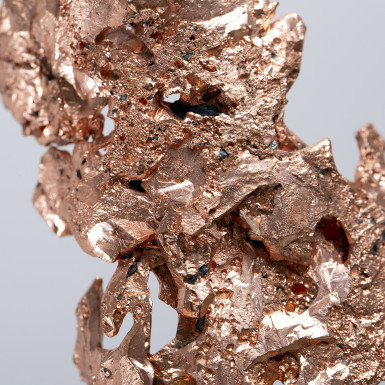
Copper plays a vital role in numerous industrial sectors, and the rapid advancement of technology continues to expand its range of applications. This is why copper is often referred to as the material of the future.
It is particularly indispensable in industries focused on sustainable development and renewable energy—such as solar, wind, hydro, geothermal, and biomass power—which are increasingly dependent on this versatile raw material. Copper is also crucial in the automotive sector due to the growing importance of electromobility, data centers, and the development of artificial intelligence (AI). Thanks to its unique physical and chemical properties, copper serves as the foundation for innovative solutions—from hyperloop systems and autonomous vehicles to space travel. But why is copper so essential, and what role does it play in future technologies?

Copper in Hyperloop technology
Let’s begin with hyperloop—an innovative high-speed transport system of the future. This technology involves passenger pods traveling through near-vacuum tubes, reaching speeds of over 1,000 km/h with minimal air resistance and friction. A key component of this system is electromagnetic propulsion based on magnetic levitation (maglev). Hyperloop systems, first conceptualized by Elon Musk, are now being developed by teams worldwide, including in Poland. In the future, they could revolutionize intercity travel by connecting major metropolitan areas faster than airplanes—and with a much smaller environmental footprint.
Although still in the research and testing phase, it is already clear that high-efficiency conductive materials like copper are essential to hyperloop’s functionality. Copper components used in electromagnetic coils and power supply systems are crucial to ensuring the safe and effective operation of pods within vacuum tubes. Thanks to copper’s extremely low electrical resistance and superior heat dissipation, stable system performance can be maintained—even under extreme speeds and energy loads.
Interestingly, the concept of vacuum-based high-speed tunnels has a surprisingly long history. As early as the beginning of the 20th century, Boris Petrovich Weinberg’s design included copper elements in the construction of vacuum tunnels, where suspended carriages were propelled by sequentially activated electromagnets.

Copper in electric cars and autonomous vehicles
Autonomous vehicles are another cutting-edge technology where copper’s physical and chemical properties are invaluable. These advanced vehicles use a combination of sensors, cameras, and data processing systems to navigate roads independently. Such complex systems require a large number of wires and electronic components—where copper’s excellent conductivity and electromagnetic shielding capabilities make it the material of choice.
Modern autonomous driving systems may include up to 12 cameras, 7 LiDAR sensors, 8 radars, and a central computing unit. All these components must be interconnected using copper wiring, which ensures fast, stable, and interference-free signal transmission. Additionally, each sensor and onboard computer features printed circuit boards (PCBs) containing 50 to 100 grams of copper, depending on their size.
But the use of copper in autonomous vehicles doesn’t stop there. The integration of automation and electrification further increases copper demand. Battery electric vehicles (BEVs) with autonomous capabilities require more than twice the amount of copper in their electronics compared to conventional internal combustion engine vehicles.

Copper’s properties and its role in space missions
Lastly, we turn to the aerospace industry, where copper components play a fundamental role. With excellent thermal conductivity (390 W/mK) and high resistance to thermal fatigue, copper is ideal for use in extreme conditions.
According to Ursa Major Technologies—a next-generation rocket engine manufacturer—copper alloys such as GRCop-42 are used in combustion chambers. These materials help stabilize temperatures and prevent thermal cracking. Copper-based alloys are also used in aerospace for structural components, hydraulic lines, and bearings. Alloys like CuNiSn (copper-nickel-tin) and CuCrZr (copper-chromium-zirconium) offer exceptional resistance to oxidation, high temperatures, and mechanical stress.
The result? Copper enables the development of lighter, stronger, and more resilient components, enhancing the reliability and safety of space missions.

Copper in IoT Devices and 5G Technology
IoT networks and 5G infrastructure rely heavily on copper’s conductivity and durability. It ensures fast, stable power and data transmission across billions of connected devices. In 5G systems, copper is used in antennas, cables, grounding, and cooling elements, where it supports low-latency communication and efficient energy transfer even under high loads.
Electris – Precision Copper Components for the technologies of tomorrow
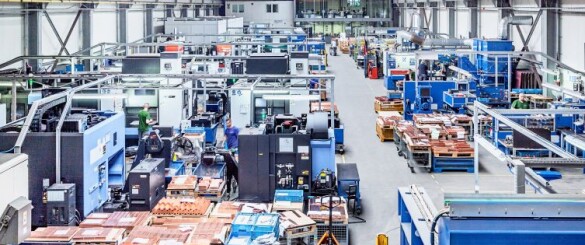
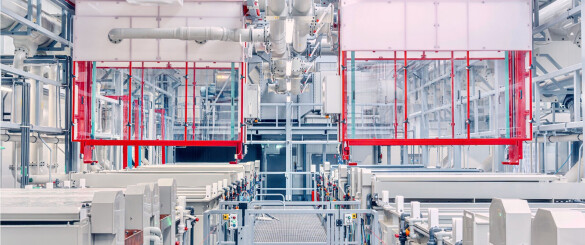
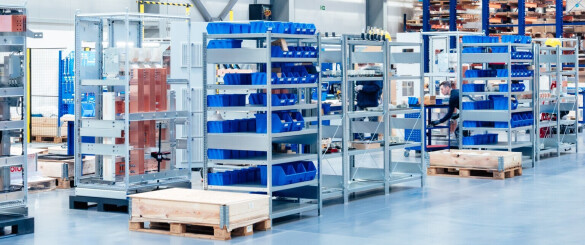
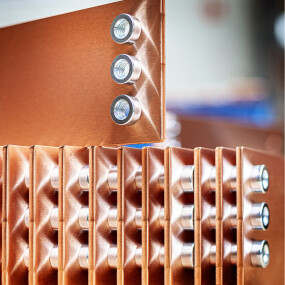
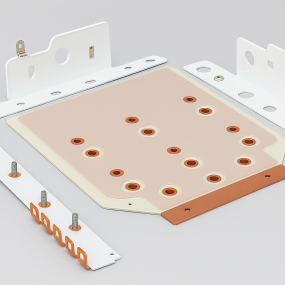
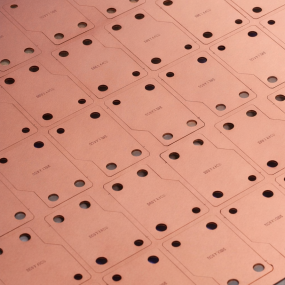
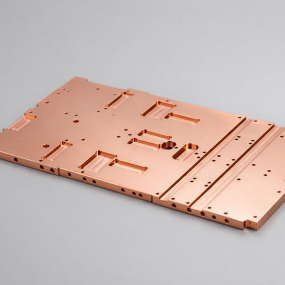
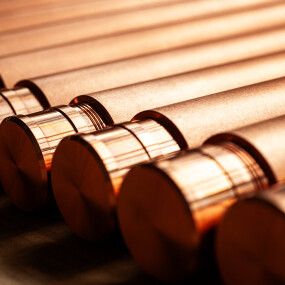
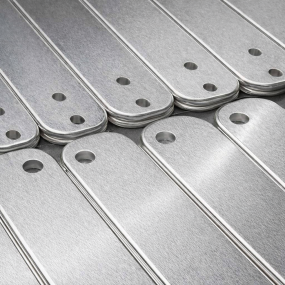
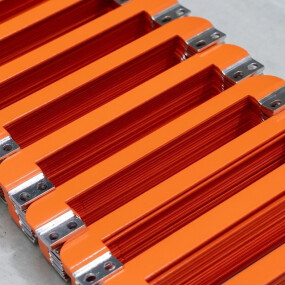
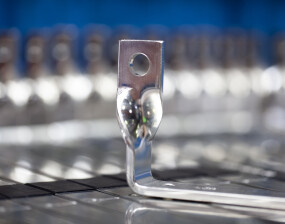
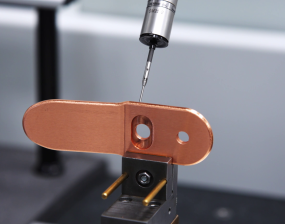
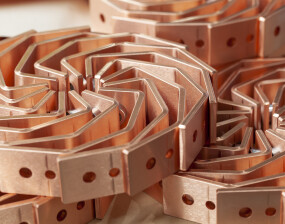
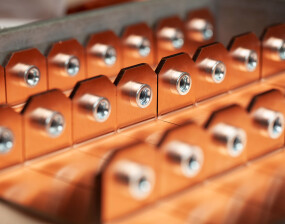
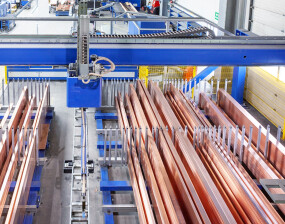
At Electris, we specialize in the production of custom-made, high-precision copper components—including copper busbars, conductors, connectors, rods, and pipes—used across the automotive, energy, rail, and aerospace sectors. Thanks to our advanced production facilities and state-of-the-art electroplating plant (with technical coatings such as tin, silver, and nickel), we deliver copper parts that meet the highest quality and environmental standards.
We understand copper’s pivotal role in technological advancement and are proud to contribute to shaping the future.
If you’re looking for a trusted supplier of high-quality copper components tailored to your company’s needs—contact us today.
FAQ – Copper in Future Technologies
We would be happy to
discuss your needs.
Write to us so that we can prepare
a dedicated proposal for you. Ask for a quote.