




















Copper in energy storage. How it drives the development of modern batteries?

However, energy storage requires materials with exceptional properties, making copper’s role indispensable in the process.
Thanks to its unique characteristics, copper supports the stability, efficiency, and durability of next-generation energy systems. But how exactly?

Key copper properties in energy storage
For energy storage systems to operate reliably and efficiently, materials combining high conductivity, durability, and environmental resistance are essential. In this context, copper’s properties make it one of the most important materials for modern energy systems and renewable technologies. It enables the reduction of energy losses, ensures device stability, and extends the lifespan of entire installations.
Copper’s particularly valuable properties for energy storage include:
- Exceptional electrical and thermal conductivity – Copper is among the best conductors of all commonly used industrial metals. It conducts electricity and heat far more efficiently than steel or aluminum, reducing energy losses and minimizing the risk of component overheating.
- High durability and corrosion resistance – Copper retains its properties for decades, even under harsh conditions, ensuring the reliable operation of energy system components.
- Full recyclability and low environmental footprint – Copper can be recycled repeatedly without loss of quality, and recycling consumes significantly less energy than primary production.
- Ease of processing and compatibility with new technologies – Copper is easy to shape, solder, and join, facilitating the production of battery components, cables, and cooling systems.
These properties make copper an irreplaceable material in modern energy storage systems, ensuring efficiency, durability, and sustainability.

Applications of copper in energy storage systems
Copper’s use in energy storage goes beyond individual components. Its properties make it essential across many critical elements of the system, from battery cells to infrastructure supporting energy transmission and management. Key application areas include:
1. Current collectors and foils in lithium-ion cells
Copper is a fundamental material for energy storage, particularly in lithium-ion batteries. Copper foils and current collectors allow efficient current flow, minimizing energy losses and heat generation. This improves battery performance, extends operational life, and maintains stable parameters. Copper collectors also provide high reliability during charge and discharge cycles, crucial for the longevity of modern storage systems.
2. Cabling and connections in storage installations
Thanks to its excellent electrical and mechanical conductivity, copper protects storage infrastructure from overheating and failures. Using copper wires and connectors ensures optimal current flow and stable grid parameters, even under heavy loads. The high durability of copper components reduces maintenance needs and minimizes system downtime.
3. Battery cooling systems
Copper’s high thermal conductivity is essential for effective radiators and battery cooling systems. It quickly dissipates heat generated during operation, maintaining optimal working conditions and improving system safety. Efficient cooling extends cell life, prevents material degradation, and enhances overall system efficiency.
4. Grid stabilization
Minimizing energy losses is critical in storage systems. Copper reduces transmission resistance, increasing overall system efficiency. Its use in grid components helps stabilize voltage, limit fluctuations, and ensure reliable current management during peak loads, making energy storage systems more efficient and dependable.
5. Renewable energy and e-mobility infrastructure
Energy storage is closely linked to renewable energy sources and electric mobility. Copper is used in electric vehicle charging systems, batteries, and renewable energy components such as solar and wind installations. This enables efficient energy storage, rapid transmission, and seamless integration with renewable energy grids, supporting the energy transition and increasing the share of renewables in the energy mix.

The Future of copper in energy storage
Recent research1 indicates that copper may play a key role in innovative energy storage methods. For example, Canadian scientists have used copper nanoclusters to convert atmospheric CO₂ into methane. This process can be powered by renewable electricity, with the resulting methane acting as an energy carrier. This creates a closed-loop system in which renewable sources are effectively utilized while reducing CO₂ emissions.
Laboratory tests show that the smallest copper nanoclusters are highly efficient catalysts, opening prospects for industrial applications and increasing the efficiency of future energy storage systems. This example illustrates that copper’s significance in energy could soon extend far beyond traditional wiring or battery components.

Sustainability and Recycling of Copper in Batteries
One of copper’s greatest advantages is its complete recyclability without any degradation of quality or conductivity. This makes it a cornerstone of sustainable battery manufacturing and circular economy practices. Recycled copper requires up to 85% less energy to process than newly mined material, significantly reducing CO₂ emissions and production costs. Moreover, recycling copper from used batteries and power systems allows for efficient recovery of valuable resources, helping manufacturers meet environmental standards and sustainability goals. As the demand for batteries grows, the ability to reuse copper will play a critical role in ensuring both resource efficiency and environmental responsibility across the entire energy storage sector.
Electris – Supporting renewable energy development
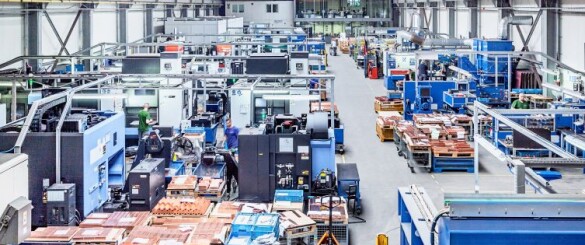
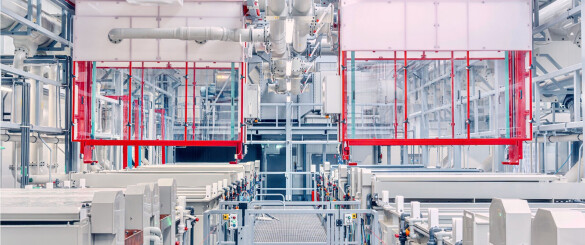
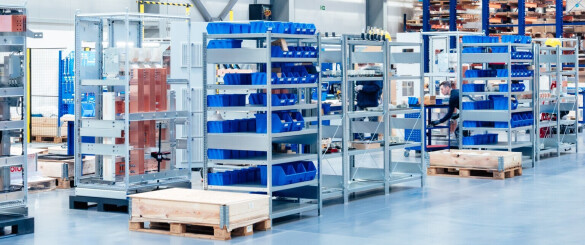
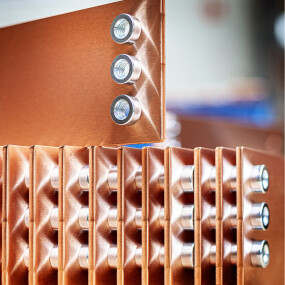
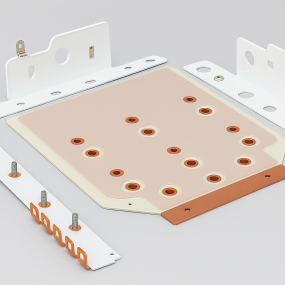
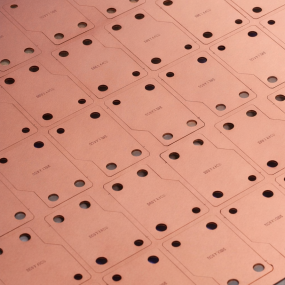
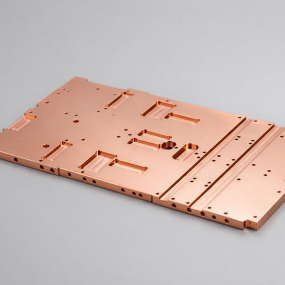
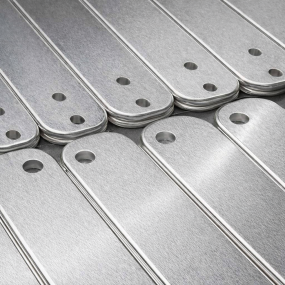
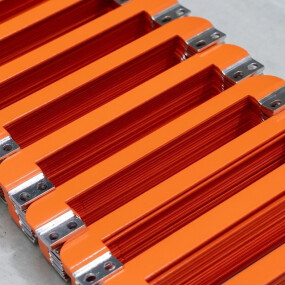
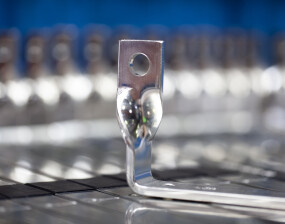
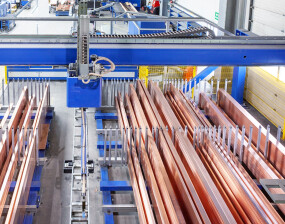
At Electris, we support the growth of energy storage and renewable technologies by providing high-quality copper components tailored to industry requirements. Our product range includes busbars, connectors, laminated elements, and components with electroplated or powder-coated finishes. All components are customized to meet client specifications.
Thanks to our advanced machinery and extensive experience, we deliver solutions that enhance the stability, efficiency, and durability of modern installations.
For more information or a quote, contact us at sales@electris.pl.
Sources:
FAQ – Copper in Energy Storage


We would be happy to
discuss your needs.
Write to us so that we can prepare
a dedicated proposal for you. Ask for a quote.


