














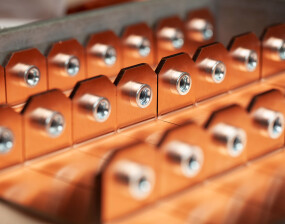
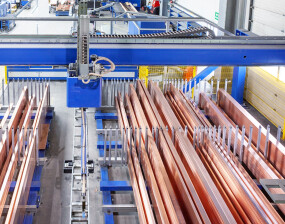

The role of copper in control cabinets: conductivity, reliability, and safety
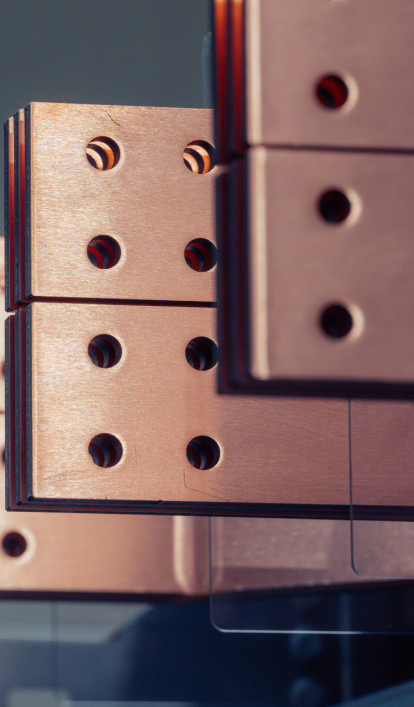
Why copper busbars are the heart of an efficient switchgear?
What do modern electrical installations and industrial automation systems require most? Above all, high-quality components that ensure stable power distribution and superior reliability. This is why the role of copper in power systems is so critical. This metal is the primary material used to manufacture wires, connectors, and busbars used in control cabinets and switchgears. Here is why copper remains the industry standard.
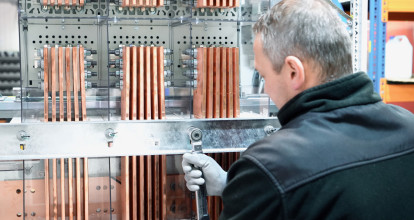
Why is copper a vital material for control cabinets and switchgears?
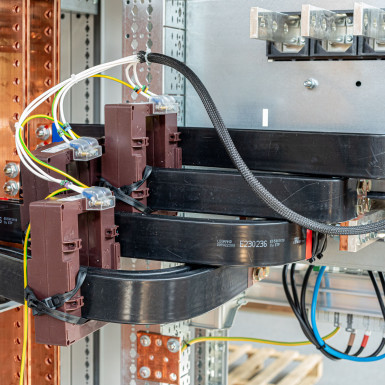
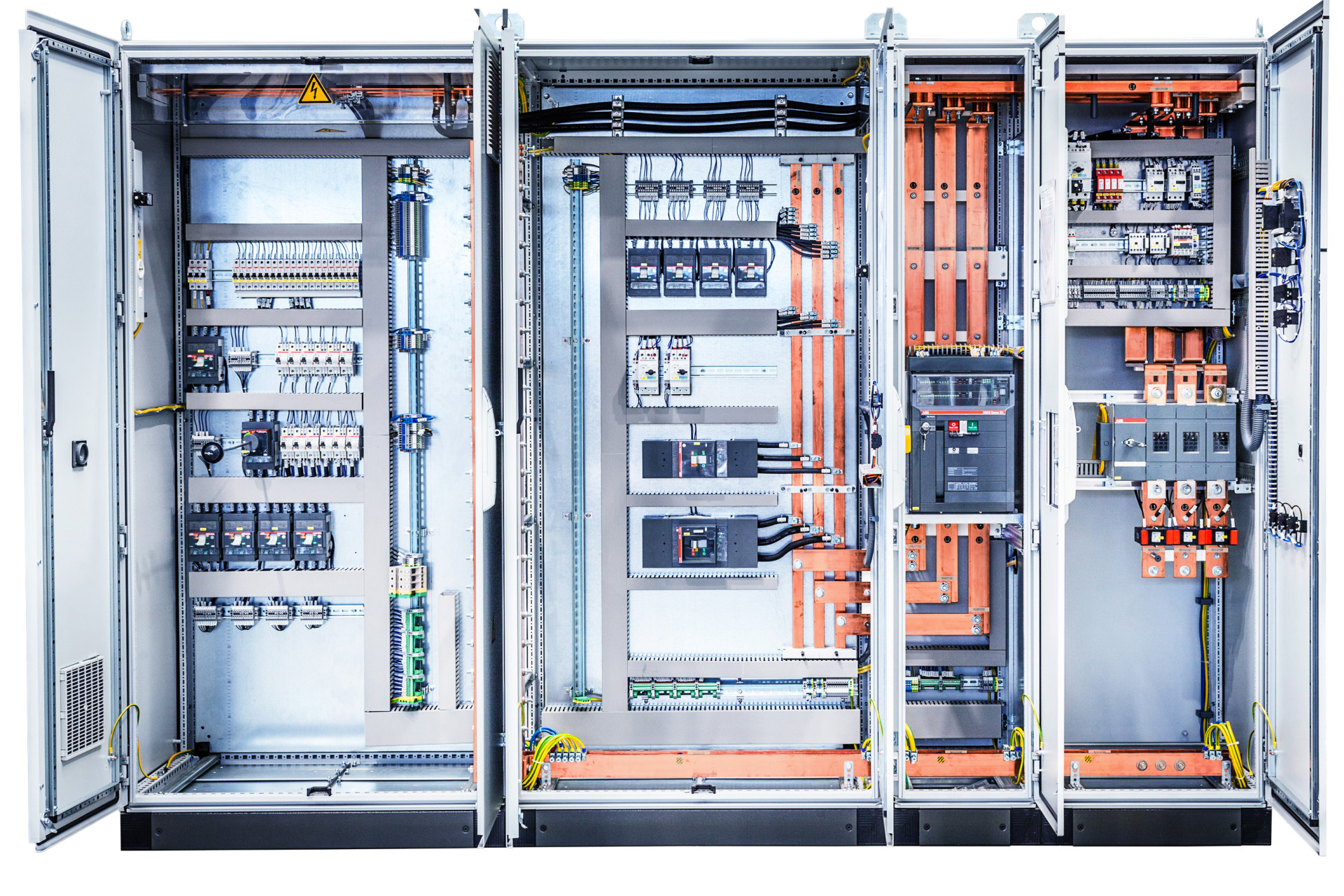
Control cabinets are among the most crucial elements of electrical infrastructure. They house the components responsible for machine control, power distribution, and circuit protection. Consequently, control cabinet manufacturing requires materials that guarantee both operational stability and high system reliability. Copper is the natural choice.
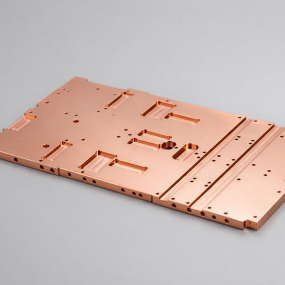
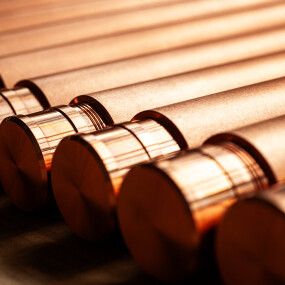
The significance of copper in power engineering and industrial automation stems from its exceptional technical parameters. The mechanical and physical properties of copper, such as high electrical and thermal conductivity, corrosion resistance, and high ductility, make it indispensable. These traits allow copper components to be easily formed during CNC machining and customized to meet the specific requirements of any installation.
In practice, copper is used in wiring, connectors, and primary conductive elements. Within systems like control cabinets or switchgears, it ensures a safe and efficient energy flow while providing long-term durability and stability.
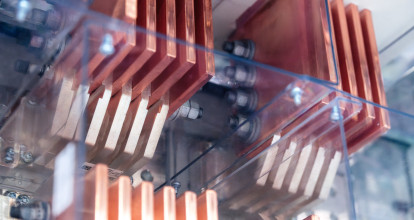
Electrical conductivity of copper: the foundation of efficient power distribution in control cabinets andelectrical switchgears
A standout feature is copper’s conductivity—one of the highest among all industrial metals. Copper conductors exhibit very low electrical resistance, enabling efficient current flow. This translates into several key benefits for electrical installations:
- Reduced energy losses during power transmission.
- Minimized heat generation (lower resistance equals less dissipated heat).
- Stable operating parameters, even under heavy loads.
- Higher energy efficiency of the entire system.
In industrial environments with high current loads, any increase in electrical resistance leads to energy waste and a higher risk of overheating. This makes copper the first-choice material for energy distribution in control switchgears and power systems.
One reason for copper's widespread use is its ability to carry high current densities while maintaining stability. It is worth noting the advantage of busbars over traditional cables: the flat cross-section of a busbar provides a much better surface-area-to-volume ratio for cooling. This allows for more efficient heat dissipation and limits the negative effects of the skin effect in AC applications. With a correctly selected cross-section, copper enables the safe conduction of high currents without excessive temperature rise—a vital factor in space-constrained control cabinets.
Furthermore, copper's high thermal conductivity facilitates the removal of heat from electrical joints, extending the lifespan of the entire system. In switchgear design, copper’s resistance to cyclic loading and its excellent contact properties ensure low contact resistance and high durability for continuous industrial operations.
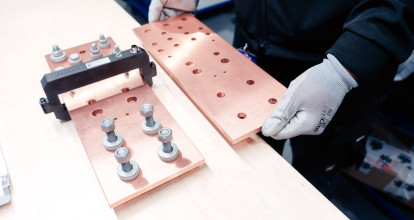
Copper busbars: the heart of an efficient electrical distribution cabinet
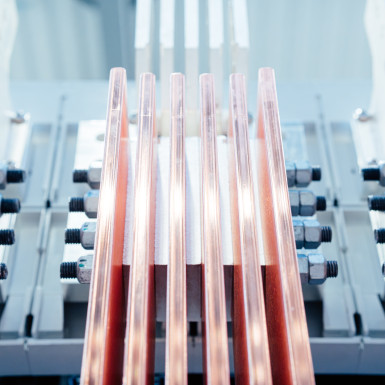
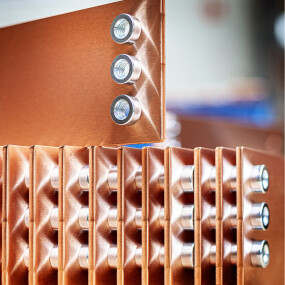
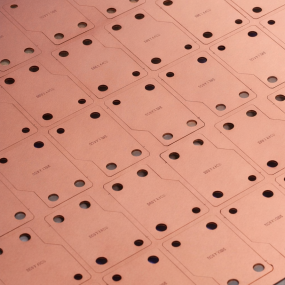
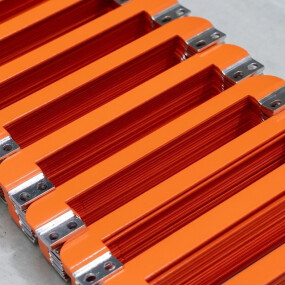
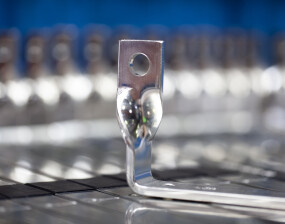
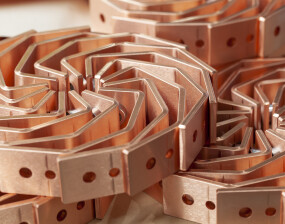
Modern power systems frequently utilize copper busbars to create the power distribution network within switchgears and industrial plants. Busbars are implemented where high currents, low impedance, and organized energy distribution are required.
Various types are used in control cabinets—from simple flat bars to complex busbar systems that distribute power between individual components. The excellent conductivity of this metal allows copper bars for switchgears to:
- Minimize energy loss due to low resistance.
- Reduce system heating, increasing component longevity.
- Ensure stable electrical connections between switchgear elements.
- Streamline control cabinet design thanks to ease of forming and joining.
- Enhance system reliability in demanding industrial conditions.
Copper busways ensure uniform energy distribution, limiting voltage drops and overheating. Their mechanical strength, combined with superior conductivity, ensures long-term stability, lower failure risks, and reduced operational costs.
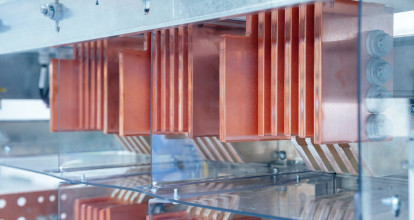
Electris: Switchgear prefabrication services
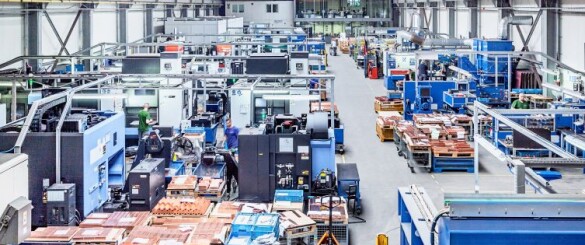
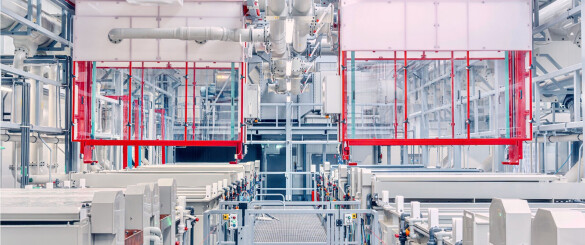
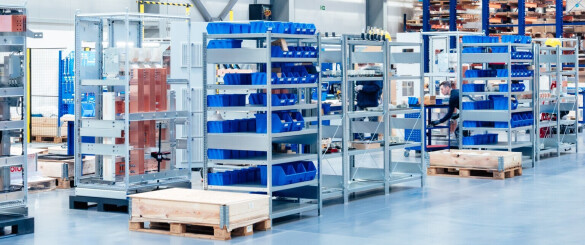
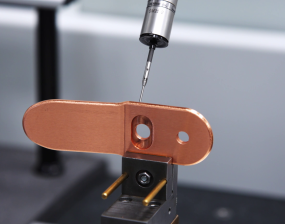
Electris offers comprehensive prefab services for control and power distribution systems, including switchgears for industry, energy sectors, and OEM manufacturers. We provide full assembly of control cabinets and switchgears based on client documentation. Our expertise includes copper component production, system integration, and functional testing. With our own production infrastructure, we can rapidly implement redesigns and maintain independence from external metal suppliers.
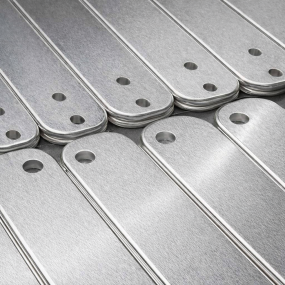
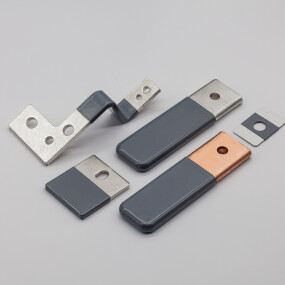
At Electris, we also manufacture non-ferrous metal components (copper and aluminum). We offer custom busbar manufacturing in various dimensions, including:
- Power busbars
- Grounding (earthing) bars
- Connectors and terminals
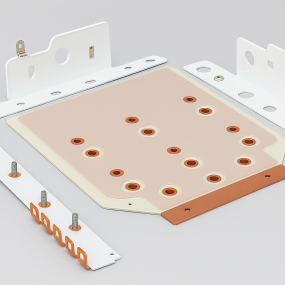
- Laminated busbars
- Busbars with galvanic coatings (silver, tin, nickel)
- Components with epoxy powder coating
Looking for solutions tailored to your company's needs? Contact Electris today and discover how our copper busbars can enhance the reliability of your installation!
Write us on sales@electris.pl
Sources:
FAQ – The role of copper in control cabinets: conductivity, reliability, and safety

We would be happy to
discuss your needs.
Write to us so that we can prepare
a dedicated proposal for you. Ask for a quote.